











Real Estate Tycoon
 Developer: JulGames
Published: November 22, 2019
Controls: Mouse
Game Technology: html5, WebGL
Compatible Devices: Mobile (iOS, Android)
About Real Estate Tycoon
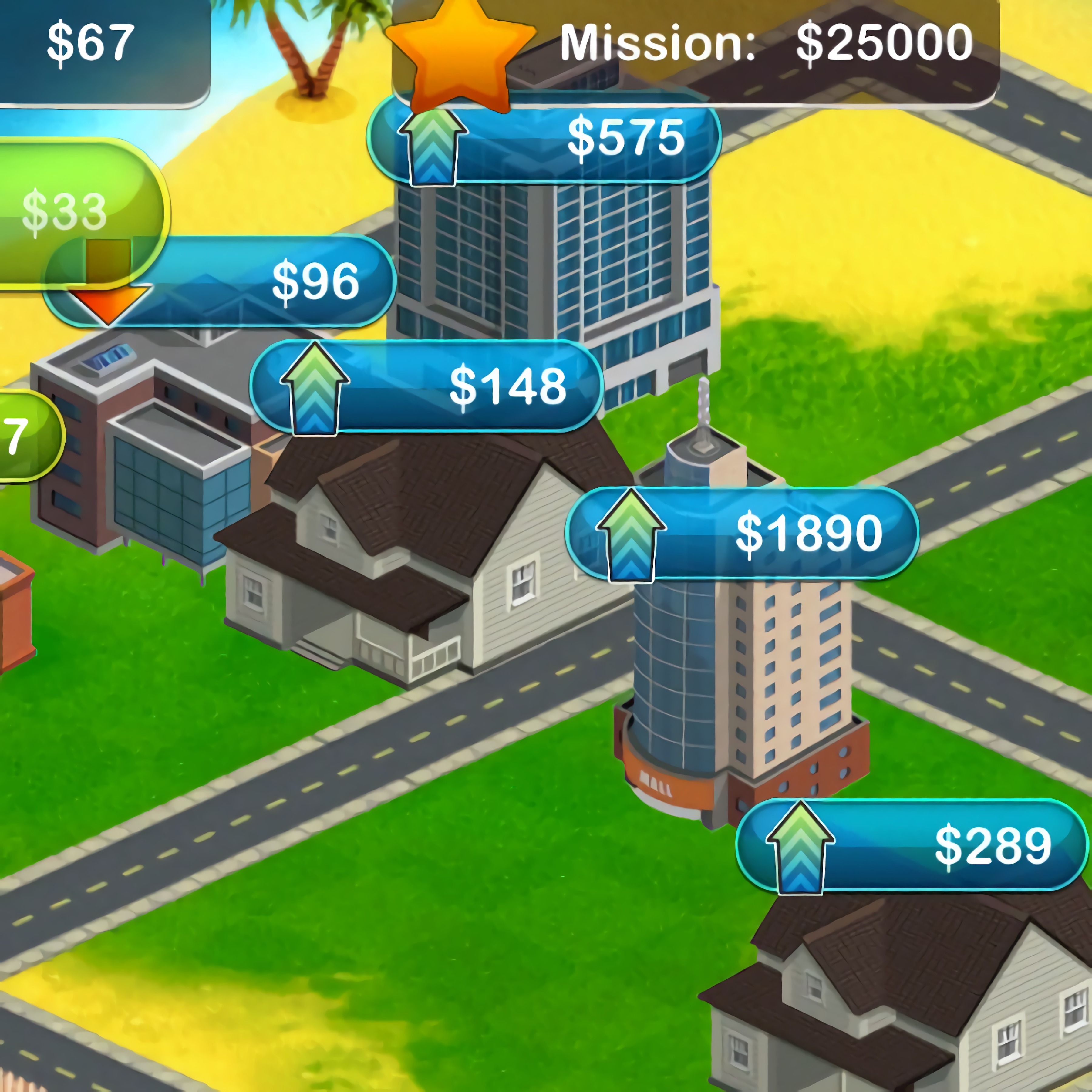
Build a citywide property empire by clicking through deals, upgrades, and profit-driven investment choices. This property management game puts the property market on a clean investment dashboard, where every choice nudges your cash flow up or drags it into trouble. Buying buildings too quickly can feel great for one second, then the rising costs hit and your building portfolio starts to wobble. The city skyline looks calm, but one rushed deal can turn steady profit growth into a stalled plan.
JulGames builds this real estate simulator around simulation gameplay, money management, and strategic decisions rather than speed. The goal is not just owning more real estate; it is knowing when buying buildings makes sense and when selling assets protects your next move. Advanced investment timing matters because a cheap property card can become valuable later, while an expensive one can trap your money at the wrong moment. That near-miss feeling shows up when rising profit numbers almost cover an upgrade, but one bad purchase leaves you short.
The game runs with HTML5 and WebGL for browser play, with no download required on supported mobile and desktop devices. Its mobile-friendly one-click accessibility makes it easy to check a deal, take an upgrade, and step away after quick sessions. Casual players can enjoy the clear numbers, while strategy fans can study the timing behind each investment strategy. This is solo play with quiet pressure: your empire grows only if your choices survive the next market turn.
Gameplay
As a business tycoon game, the main tension comes from building a portfolio without draining your working cash. Each property card represents a possible move, and the investment dashboard gives you enough information to compare risk against reward. Overbuying too early is the beginner mistake to avoid, because a full row of buildings means little if none of them produce enough income yet. When that happens, the city skyline stops feeling like opportunity and starts looking like debt.
Profit growth depends on reading the pace of the property market. Some moments call for buying buildings, while others reward patience, upgrades, or selling assets before a weak deal pulls down your plan. Players who enjoy shop growth and upgrade decisions may also like Weapon Shop, where money choices shape progress in a different business setting. Clear a smart sequence of purchases, and the rising profit numbers feel earned rather than lucky.
This property investment game also compares well with idle and management tycoon games, but it asks for more active judgment. You are not only waiting for income; you are deciding where each click should go next. A late upgrade can cost momentum, while a rushed sale can erase a strong future return. That balance gives the economic management game its thoughtful edge.
How to Play
Start by watching your available funds and the value of each opportunity. If a property looks tempting, check whether it supports your next upgrade or blocks it. The safest early path is usually steady portfolio building, not grabbing every deal that appears. One careless click can leave you staring at a locked upgrade while better assets pass by.
Use advanced investment timing once the numbers start moving faster. Wait for the moment when a purchase increases profit without leaving your balance empty. If the board offers a weak asset, skipping it can be stronger than forcing growth. The pressure rises when a better building appears right after you spent too much.
Multiple game modes add replay value by changing how you think about growth, timing, and risk. A run that rewards fast expansion feels different from one that punishes loose spending. For another progression-focused game with property-style rebuilding and layered tasks, try Merge Hotel: Family Story. In both games, the satisfying moment is seeing earlier decisions finally pay off.
Controls
Controls stay focused on one-click decisions, so mistakes come from judgment rather than finger gymnastics. Still, that single click matters. Hit the wrong deal at the wrong time, and your next move may disappear from reach.
- Left mouse button — Select deals, upgrades, and menu options
Features
Multiple game modes give the browser tycoon title more replay value than a single straight path. One mode may push faster expansion, while another makes careful cash reserves feel more important. That shift keeps the same tycoon mechanics from becoming automatic. If you treat every mode the same way, the numbers can punish you quickly.
The visual design uses property cards, a building portfolio, and rising profit numbers to make progress readable at a glance. Instead of hiding the math, the game puts the important signals where you can compare them before acting. That clarity matters when two deals look close but only one supports your next upgrade. Choose wrong, and the better route slips out of reach.
Upgrades create another layer beyond collecting assets. Some improve earning speed, while others support longer-term investment strategy and better portfolio balance. The most rewarding run is not the one with the most purchases, but the one where each improvement lines up with the next decision. That final click before a growth spike can feel tense because it decides whether your plan accelerates or stalls.
Similar Games
If you like thoughtful simulation systems, Desura has other games where progress depends on planning instead of reflexes. The closest matches below lean into management, upgrades, number reading, or organized task flow. Pick carelessly in these games, and progress slows down in the same uncomfortable way a bad real estate move can freeze your cash.
- Dr. Panda School — a light management simulation with organized rooms, characters, and role-based activities. It is a good match for players who enjoy calm planning and watching systems respond to small choices.
- Descendants Hair Salon — a service-management game built around customer-style tasks, step order, and visual upgrades. It shares the same need to think before acting, because skipping the right step can throw off the final result.
- Multiplication Simulation — a number-focused simulation where reading values correctly matters more than rushing. Strategy fans who enjoy profit math, clean feedback, and decision timing may find its measured pace familiar.
Advantages
- Free online access means you can start from the browser without installing files, then focus on investment choices right away.
- One-click input works cleanly on supported mobile and desktop devices, but a careless tap can still send your plan in the wrong direction.
- Multiple game modes create reasons to replay, especially when you want to test a different growth path or recover from an early overbuying mistake.
- The game rewards patient money management, so careful players can feel the payoff when a delayed purchase turns into stronger profit growth.
Frequently Asked Questions
What is Real Estate Tycoon?
Real Estate Tycoon is a free strategy simulation game where players build wealth by managing property investments and making smart business decisions.
How do you play Real Estate Tycoon?
You play by clicking to interact with property choices, selecting investment actions, and growing your real estate portfolio through strategic decisions.
Can I play Real Estate Tycoon without downloading?
Yes, Real Estate Tycoon runs in the browser with HTML5 and WebGL, so it can be played instantly without downloading on supported mobile and desktop devices.




 Crazy Car Racing Stunts
 Masha And The Bear Pizzeria Game
 Princesses VS Epidemic
 Clara Wedding Planner
 Challenge Of The Zombies
 Snack Attack
 Pregnant Kardashians
 Unfair Mario 2
 Simpsons Christmas Jigsaw Puzzle
 Monster Truck Rally
 Offroad Jeep Simulator
 DC Super Hero Girls: Bumblebee Robot Rescue
 Traffic Jam 3D
 Sniper Shot: Bullet Time
 How To Draw Gumball
 Fidget Spinner Revolution
 Emily's Home Sweet Home
 BBFs Fresh Spring Look
 Dangerous Racing
 Microsoft Jigsaw
 My Virtual Pet Shop
 Sploop.io
 The Smurfs Skate Rush
 Baby Hazel Harvest Festival
 Rugby Rush
 Red Carpet Dress Up Girls
 Save the Girl
 Hole vs Bombs
 Viking Dragon
 Moto Road Rash 3D
 Moto X3M 5 Pool Party
 Royal Garden Match 2
 StackBall.io
 Angry Flying Zombie
 Rum & Gun
 Santa Go
 Pony Fly In A Fantasy World
 Chibi Fighter Dress Up Game
 Bunnicula in Rescuing Harold
 Commando Force 2
 Perfect Wedding Cake
 Parkour Block 3D
 Dynamons 7