
Science Games



 Physics Drop
 Smiling Glass 2
 Alchemy: The Merging Of Elements
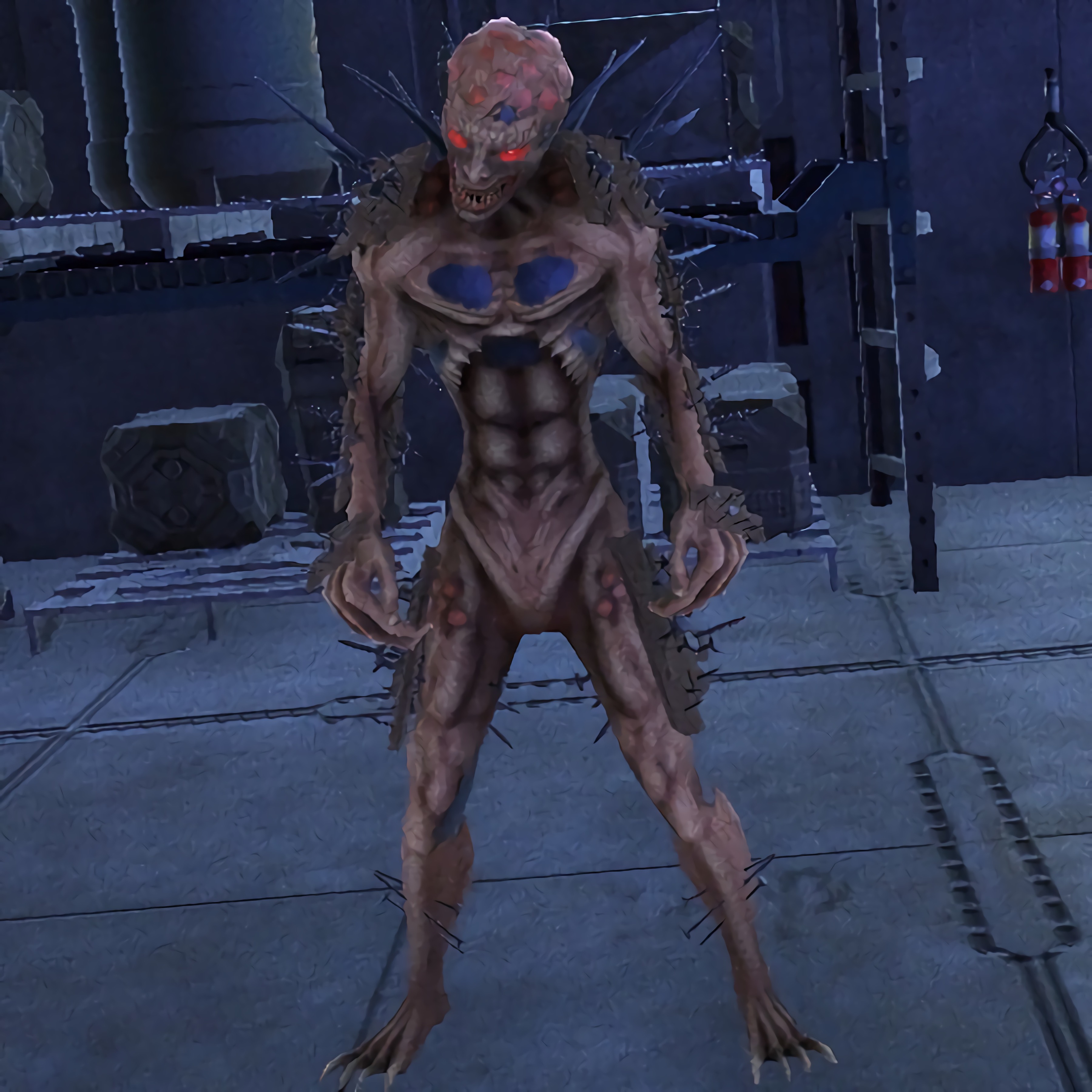 Deep Space Horror: Outpost
 Liquid 2
 Save The Guy
 Baby Hazel Science Fair
 Crazy Scientist
 Doodle God: Rocket Scientist
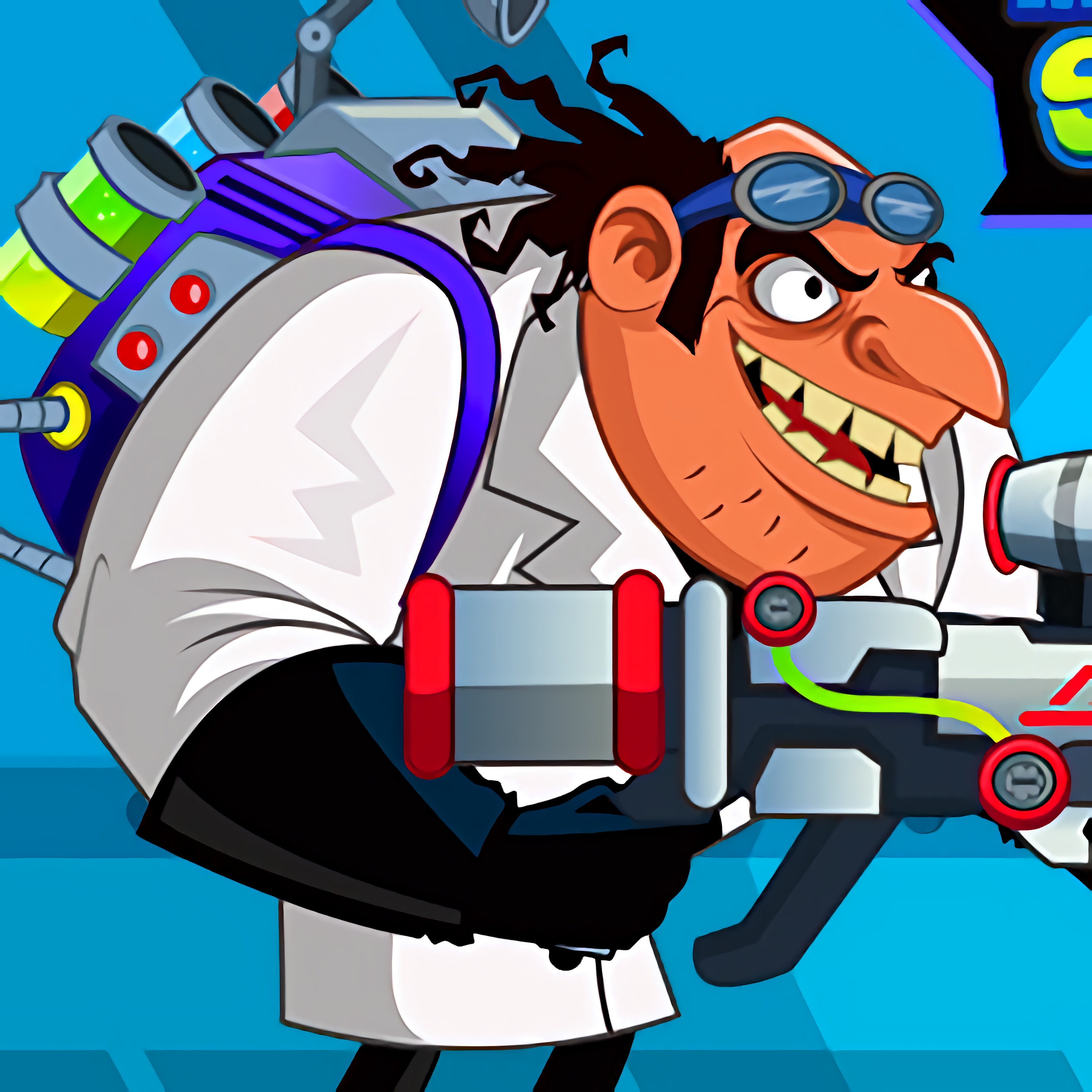 EG Mad Scientist
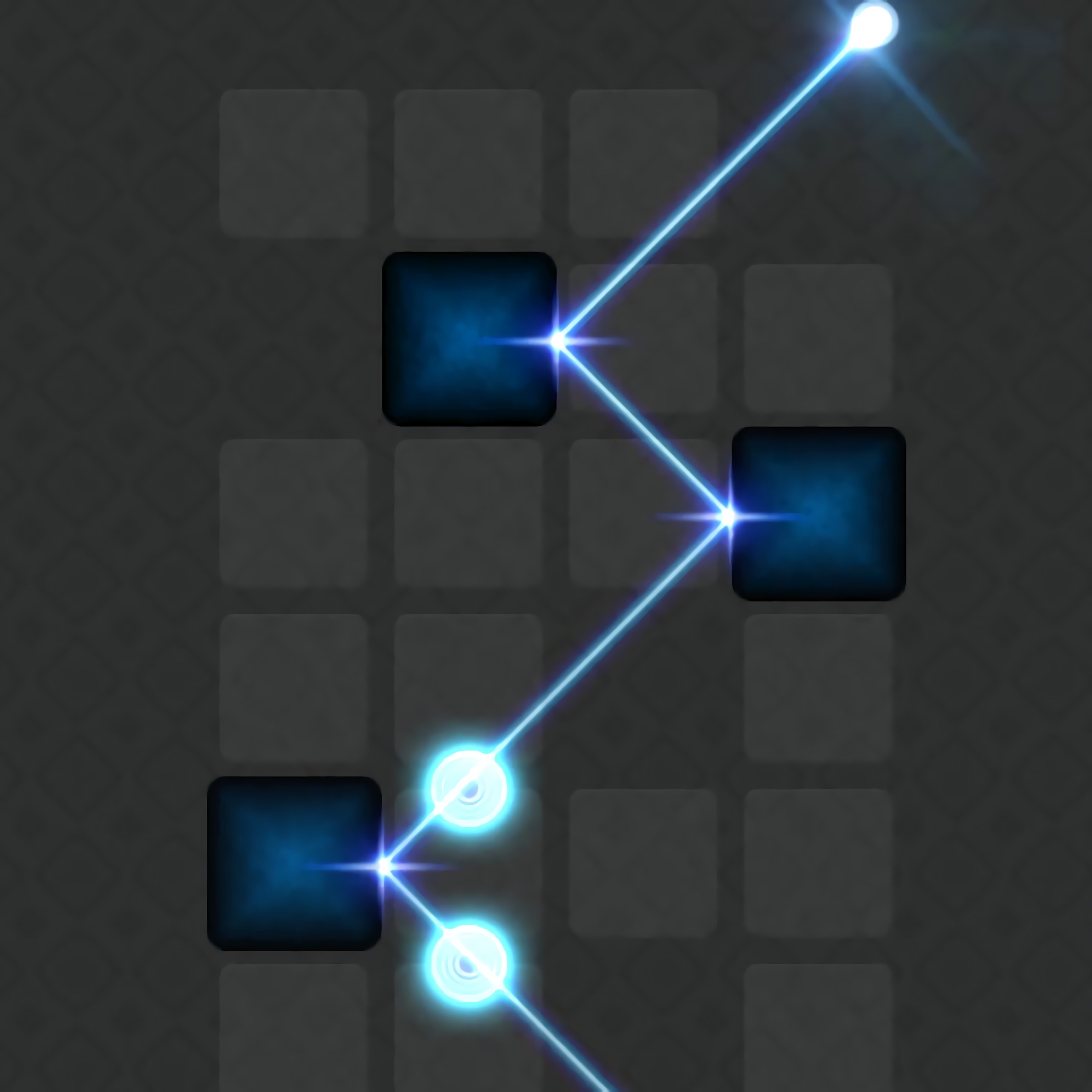 Reflector











 The Floor is Lava! Apple & Onion
 Stickman Army The Defenders
 Basketball Stars
 Wild Animal Hunting
Physics Drop
Wild Animal Hunting
Physics Drop
 City Stunt Cars
 Slenderman Must Die Silent Forest
 Parking Space
 Internet Fashionista Dress Up
 Pregnant Princess Caring
 Victor & Valentino: Taco Terror
 Penguin Diner
 Basketball Strike
 Bob The Robber
 Truck Loads Simulator 3D
 Police Car Chase Crime Racing
 Princess Collective Wedding
 Gumball - BMX Champions
 My Dolphin Show
 Burger Shop
What Are Science Games?
On Desura, Science Games turn scientific ideas into small playable challenges you can test right in your browser. Instead of reading a rule and moving on, you click, drag, tap, or swipe to see what happens. That mini lab feeling makes the category easy to enter for kids, students, beginners, and casual players.
Many educational science games are built around cause and effect. A ball drops because of gravity, a beam reflects because of angle, and a mixture changes when elements are combined. You observe the result, adjust your plan, and try again until the puzzle makes sense.
These STEM games can feel different from regular trivia because they ask you to do something with the idea. In Baby Hazel Science Fair, the theme is classroom discovery, while EG Mad Scientist uses a lab setting with experiments and gadgets. The common thread is problem solving through testing, reading visual feedback, and learning from each attempt.
Explore Physics, Chemistry, Space, and Logic
Physics and engineering challenges
Physics games focus on motion, forces, gravity, and trajectories, so every move has a visible result. In Physics Drop, you work with physics puzzles by guiding an object toward a goal, while Smiling Glass 2 uses water flow and careful timing. These games connect naturally with Physics Games because they reward planning before you act.
Chemistry, elements, and discovery
Chemistry games often feel more like creative experiment games, where progress comes from chemistry combinations and repeated trials. Alchemy: The Merging Of Elements starts with simple elements, then lets you discover new materials by testing pairs and patterns. Doodle God: Rocket Scientist adds formulas, inventions, and a sense of discovery that suits players who like building a chain of ideas.
Space and astronomy themes
Space science games shift the focus toward planets, rockets, astronomy, and space exploration. Deep Space Horror: Outpost uses a distant setting to create tension around movement, navigation, and survival decisions. If you enjoy orbit ideas, distant worlds, or rocket themes, Space Games are a close match for this side of the category.
How Science Gameplay Works
Most learning games in this category start with a simple question: what happens if you change one thing? You might drag a shape, tap a switch, swipe a path, or click two objects together. Science Games often make failure useful because each wrong move shows which part of the system needs attention.
The subgenres use different kinds of thinking. Physics challenges ask you to predict motion and balance, chemistry games ask you to compare elements and reactions, space science games often involve routes or exploration, and math-based logic games focus on patterns. Reflector is a good example of readable visual feedback because angles and light paths help you understand what your next adjustment should be.
Some games lean into engineering builds, where you assemble or modify parts and then watch the design perform. Others keep the controls minimal, which helps on mobile and desktop because the important skill is observation rather than memorizing buttons. Liquid 2 shows how a simple control setup can still create a thoughtful puzzle about flow, direction, and timing.
Why Science Games Fit Quick Learning Sessions
Science Games fit short sessions because one puzzle or test can be completed in a few minutes. You can open an HTML5 game with no download, try a level, and leave with a clearer idea of what worked. That makes the format useful for quick breaks, classroom-friendly practice, or relaxed free online play at home.
The genre is also easy to scan before you play. Physics puzzles usually show objects, platforms, and forces right away, chemistry combinations center on icons or materials, and logic puzzles make their rules visible on the board. This readable feedback helps beginners understand the next move without needing a long tutorial.
Short sessions still build real skills over time. Players practice observation when they notice a small change, planning when they set up a sequence, and cause-and-effect reasoning when they compare one attempt with another. For a broader study-friendly mix, Educational Games can pair well with these science-focused challenges.
Frequently Asked Questions
What are Science Games?
These online games use scientific ideas such as physics, chemistry, engineering, space, math, or logic as part of the challenge or puzzle.
How do you play science games online?
You usually play science games by clicking, dragging, tapping, combining objects, testing ideas, or adjusting parts until the experiment, puzzle, or simulation works.
Can I play science games for free without downloading?
Yes, many science games run directly in a browser for free, so you can start playing on desktop or mobile without installing extra software.
What are the most popular free online Science Games to play?
- Physics Drop
- Smiling Glass 2
- Alchemy: The Merging Of Elements
- Deep Space Horror: Outpost
- Liquid 2
- Save The Guy
- Baby Hazel Science Fair
- Crazy Scientist
- Doodle God: Rocket Scientist
- EG Mad Scientist